
SAP Malaysia E-Invoice presents a compelling solution for businesses seeking to modernize their invoicing processes in line with regulatory requirements and technological advancements. The advantages of adopting e-invoicing with SAP systems extend beyond mere efficiency gains, encompassing cost savings, enhanced security measures best e invoicing software, and integration possibilities that pave the way for future trends in financial transactions. By exploring the implementation process, compliance considerations, and potential for AI and blockchain integration, SAP Malaysia E-Invoice opens doors to a realm of possibilities for businesses looking to optimize their financial operations.
Advantages of E-Invoicing
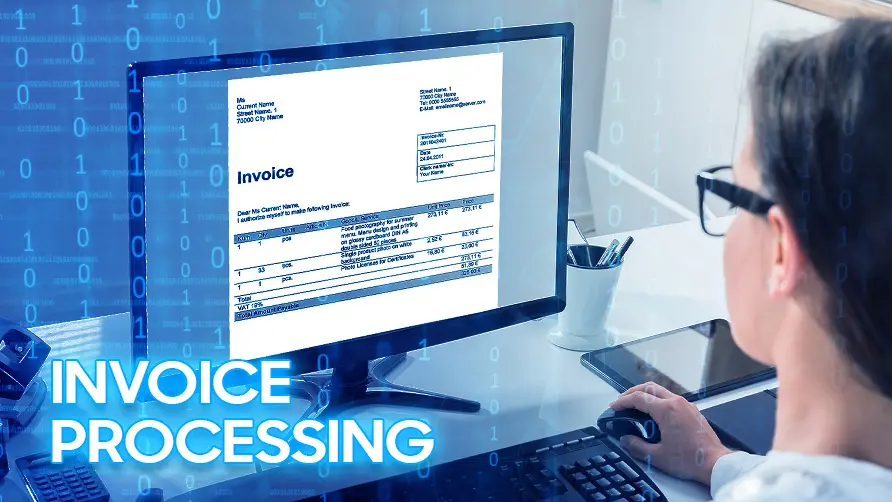
E-Invoicing offers numerous benefits to businesses, including increased efficiency and cost savings. By digitizing the invoicing process, companies can streamline their operations, reduce manual errors, and save valuable time. One of the key advantages of e-invoicing is the elimination of paper-based processes, leading to a more environmentally friendly approach while also cutting down on printing and postage costs.
Moreover, e-invoicing facilitates faster payment cycles as invoices can be delivered instantly and tracked in real-time. This can improve cash flow management and enhance overall financial planning for businesses. Additionally https://aspert.com.my/e-invoice/, the automation of invoicing tasks through e-invoicing systems reduces the need for manual intervention, freeing up resources to focus on more strategic activities.
Furthermore, e-invoicing enhances transparency and visibility into the invoicing process, allowing businesses to track payments, monitor outstanding invoices, and analyze financial data more effectively. This increased visibility can help organizations make informed decisions and optimize their cash flow processes for better financial outcomes.
Implementation Process of SAP E-Invoice
The integration of SAP E-Invoice into a company’s existing financial systems requires meticulous planning and strategic alignment to ensure a smooth implementation process. Initially, key stakeholders need to be identified, and their buy-in secured to drive the project forward effectively. An analysis of current invoicing processes is essential to determine how SAP E-Invoice can be seamlessly integrated and where adjustments may be necessary.
Next, a detailed implementation plan should be developed, outlining specific milestones, timelines, and responsibilities to track progress methodically. Training sessions for employees on how to use the new system effectively should be conducted to ensure a smooth transition. Additionally, thorough testing of the system is crucial to identify and resolve any issues before full deployment.
Regular communication with all stakeholders throughout the implementation process is vital to address any concerns promptly and ensure alignment with the overall objectives. By following these steps diligently, companies can successfully implement SAP E-Invoice and streamline their invoicing processes effectively.
Cost Savings With E-Invoicing
E-invoicing offers significant cost-saving opportunities for businesses by reducing paper waste, streamlining the payment process, and lowering processing costs.
The shift to electronic invoicing can lead to more efficient operations and improved financial management, ultimately contributing to enhanced profitability.
Embracing e-invoicing not only benefits the environment but also strengthens the financial health of organizations by optimizing resource allocation.
Reduced Paper Waste
By implementing electronic invoicing systems, companies can significantly reduce paper waste, leading to substantial cost savings in the long run.
Traditional paper-based invoicing processes contribute to unnecessary paper consumption, printing costs, and storage expenses. E-invoicing eliminates the need for physical paper invoices, reducing the environmental impact and streamlining operations.
Moreover, digital invoices are easier to track, manage, and retrieve compared to their paper counterparts, enhancing overall efficiency. The shift towards e-invoicing not only aligns with sustainable business practices but also offers financial benefits through reduced paper usage and associated expenses.
Embracing electronic invoicing can pave the way for a more cost-effective and environmentally friendly invoicing solution for businesses of all sizes.
Streamlined Payment Process
Implementing electronic invoicing systems streamlines the payment process, resulting in significant cost savings for businesses. By automating invoice generation, delivery, and payment reconciliation, companies can reduce manual errors, processing time, and late payment fees.
E-invoicing eliminates the need for paper, printing, and postage, cutting down on associated costs. Additionally, electronic invoicing accelerates the payment cycle, leading to improved cash flow management. With streamlined payment processes, businesses can enhance efficiency, reduce operational expenses, and allocate resources more strategically.
Lower Processing Costs
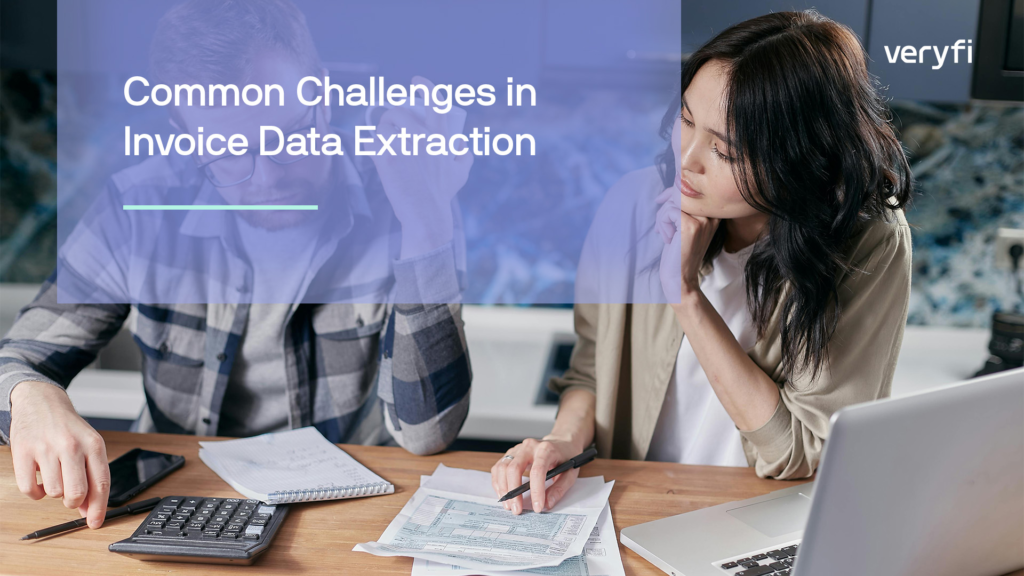
The utilization of electronic invoicing systems results in a substantial reduction in processing costs for businesses. By automating the invoicing process, companies can save on expenses related to paper, printing, postage, and manual labor. E-invoicing eliminates the need for physical paperwork, reducing the risk of errors and delays that can lead to additional costs.
Furthermore, electronic invoices can be processed and approved faster, enabling businesses to optimize their cash flow and improve overall efficiency. With e-invoicing, organizations can also minimize the time spent on resolving disputes and discrepancies, ultimately leading to cost savings.
Enhanced Data Security Measures
The implementation of secure encryption protocols and robust authentication processes are crucial components of enhancing data security measures in e-invoicing systems.
By ensuring that sensitive information is encrypted and authenticated effectively, organizations can minimize the risks of unauthorized access and data breaches.
These measures play a significant role in safeguarding the confidentiality and integrity of electronic invoices exchanged between businesses.
Secure Encryption Protocols
Employing robust encryption protocols is essential for safeguarding data integrity and confidentiality in the context of the Sap Malaysia E-Invoice system. By utilizing strong encryption algorithms, sensitive information such as financial data and personal details transmitted through the system can be securely encoded, making it unintelligible to unauthorized parties.
Implementing encryption protocols ensures that even if data is intercepted, it remains protected and unreadable without the decryption key. This added layer of security significantly reduces the risk of data breaches and unauthorized access.
The use of secure encryption protocols not only meets regulatory requirements but also instills trust among users, fostering a secure environment for electronic invoicing within the Sap Malaysia system.
Robust Authentication Processes
Implementing stringent authentication processes is paramount for enhancing data security measures within the Sap Malaysia E-Invoice system. By requiring multi-factor authentication, such as a combination of passwords, biometrics, and one-time passcodes, the system can significantly reduce the risk of unauthorized access.
Additionally, implementing regular security audits and monitoring user activity can help detect any suspicious behavior promptly. Utilizing technologies like digital signatures can further enhance the authenticity of transactions and ensure that data remains secure throughout the invoicing process.
Integrating E-Invoice With SAP Systems
Enhancing operational efficiency and streamlining processes, integrating E-Invoice with SAP systems offers a seamless solution for organizations seeking to optimize their financial management workflows. By integrating E-Invoice with SAP systems, businesses can automate invoice processing, eliminate manual data entry errors, and enhance overall accuracy in financial transactions. This integration allows for real-time access to invoicing data, improving transparency and decision-making processes within the organization.
Furthermore, the integration of E-Invoice with SAP systems enables businesses to achieve greater cost savings by reducing paper usage, postage, and storage costs associated with traditional invoicing methods. It also facilitates faster payment cycles, leading to improved cash flow management and better relationships with suppliers and vendors.
Moreover, the integration ensures compliance with regulatory requirements, enhances security measures, and provides a centralized platform for managing all invoicing processes efficiently. Overall, integrating E-Invoice with SAP systems is a strategic move for organizations looking to modernize their financial operations and drive business growth.
Compliance Requirements for E-Invoicing
Ensuring compliance with regulatory standards is paramount when implementing E-Invoicing solutions within an organization. In Malaysia, e-invoicing compliance is governed by the Sales Tax Act 2018, which mandates that electronic invoices must contain specific details such as the seller’s and buyer’s identification numbers, invoice date, description of goods or services, amounts, and tax payable. Additionally, businesses must ensure the authenticity and integrity of electronic invoices through digital signatures or other approved methods to prevent fraud and ensure legal acceptance.
Adhering to compliance requirements not only helps organizations avoid penalties and legal issues but also enhances efficiency and transparency in financial transactions. By implementing robust e-invoicing systems that meet regulatory standards, businesses can streamline their invoicing processes, reduce errors, and improve overall financial management practices. Furthermore, compliance with e-invoicing regulations fosters trust among business partners and authorities, paving the way for smoother operations and improved business relationships.
Future Trends in E-Invoicing
A significant shift towards advanced automation and digital optimization is shaping the future landscape of e-invoicing practices. As technology continues to evolve, future trends in e-invoicing are expected to focus on enhancing efficiency, reducing costs, and improving overall transparency in financial transactions.
One prominent trend is the integration of artificial intelligence and machine learning algorithms into e-invoicing platforms. These technologies can automate invoice processing, detect anomalies, and streamline approval workflows, ultimately reducing the need for manual intervention and minimizing errors.
Another key trend is the adoption of blockchain technology to enhance the security and authenticity of e-invoices. By leveraging blockchain’s decentralized and tamper-resistant nature, organizations can ensure the integrity of their invoicing data, prevent fraud, and establish a single source of truth for all parties involved.
Moreover, the future of e-invoicing is likely to see increased collaboration between businesses and government entities to establish global e-invoicing standards and promote interoperability across different markets. This collaboration will help drive innovation, facilitate cross-border trade, and create a more seamless invoicing experience for businesses worldwide.
Conclusion
In conclusion, SAP Malaysia E-Invoice offers businesses in Malaysia a comprehensive solution for electronic invoicing. It enables them to streamline processes, increase efficiency, and ensure compliance with local regulations.
By integrating e-invoicing with SAP systems, businesses can automate processing, reduce errors, and achieve cost savings. Enhanced data security measures and future trends like AI integration and blockchain technology further contribute to a secure, efficient, and transparent platform for financial transactions.