
In times of pet emergencies, quick and informed action is crucial pet hospital. This article serves as a comprehensive guide to navigating emergency vet hospital visits, equipping you with essential knowledge on recognizing urgent medical issues, preparing for the unexpected, and ensuring optimal aftercare for your beloved companion.
Stay informed, stay prepared, and provide your pet with the best possible care in times of need.
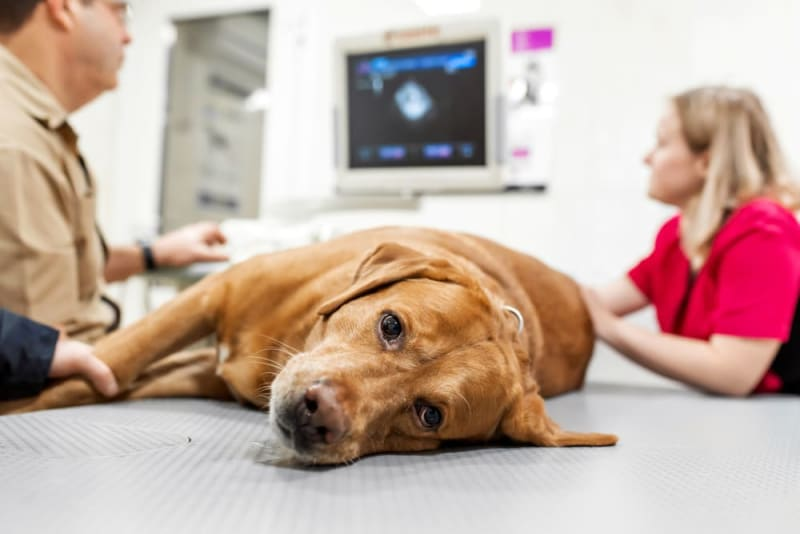
Common Pet Emergency Situations
In emergency veterinary hospital visits pet medical centre, common pet emergency situations frequently involve sudden injuries or severe illnesses. Accidents such as car collisions, falls, or animal fights can lead to broken bones, lacerations, or internal injuries requiring immediate attention.
Additionally, sudden illnesses like seizures, difficulty breathing, or signs of poisoning demand prompt intervention to ensure the well-being of the pet. Recognizing these signs and acting swiftly is crucial in such critical moments.
Pet owners should be vigilant and aware of their animals’ behavior, as early detection can make a significant difference in the outcome of the emergency. Understanding the common pet emergency situations can empower owners to act decisively and seek timely veterinary care when needed.
Signs of Urgent Medical Issues
Recognize urgent medical issues in pets by observing sudden changes in behavior or physical symptoms. Signs that warrant immediate veterinary attention include difficulty breathing, pale gums, sudden lethargy, persistent vomiting or diarrhea, seizures, and inability to urinate.
Additionally, if your pet displays signs of extreme pain, such as whining, yelping, or aggression when touched, it is crucial to seek emergency care. Other red flags include bloated abdomen, disorientation, tremors, and bleeding that doesn’t stop.
Pay attention to your pet’s normal habits and behaviors, as any significant deviation could indicate a serious health concern. Trust your instincts—if you feel something is wrong, don’t hesitate to contact a veterinarian or visit an emergency vet hospital for prompt evaluation and treatment.
Preparing for Vet Hospital Visits
Observing your pet’s behavior and gathering essential items is crucial when preparing for vet hospital visits. Pay attention to any unusual symptoms such as lethargy, vomiting, or difficulty breathing, as these could indicate a medical emergency requiring immediate attention.
Keep a pet first aid kit handy, including items like gauze, adhesive tape, and hydrogen peroxide, to address minor injuries before heading to the vet hospital. Have important information readily available, such as your pet’s medical history, current medications, and contact details for your regular veterinarian.
Additionally, ensure your pet is safely secured for transport, either in a carrier or on a leash, to prevent any accidents on the way to the hospital. Proper preparation can help streamline the process and ensure your pet receives prompt care.
What to Bring to the Hospital
When preparing for emergency vet hospital visits, ensuring you bring essential items can make a significant difference in your pet’s care. First and foremost, have your pet’s medical records on hand, including any medications they are currently taking. Additionally, bring along your pet’s identification, such as tags or microchip information.
It’s crucial to pack a leash or carrier for safe transportation and to prevent any potential escapes. Don’t forget to bring any special dietary needs your pet may have, as well as a comfort item like a favorite toy or blanket. Lastly, have a list of emergency contacts, including your regular veterinarian’s information.
Being prepared with these items can help streamline the care your pet receives during their visit.
Aftercare Tips for Your Pet
- One crucial aspect of ensuring your pet’s recovery post-emergency vet hospital visit is implementing proper aftercare. Upon returning home, provide a quiet and comfortable space for your pet to rest.
Follow any medication instructions diligently and monitor their behavior closely. Ensure they have access to fresh water and a balanced diet to support healing. Keep the incision site clean and dry if your pet underwent surgery, following any additional wound care guidelines provided by the vet.
Limit their physical activity as advised to prevent complications. Schedule a follow-up appointment with your regular vet to assess progress and address any concerns.
Conclusion
In conclusion, being prepared for emergency vet hospital visits is crucial for ensuring the well-being of your pet.
By understanding common pet emergency situations, recognizing signs of urgent medical issues, and knowing what to bring to the hospital, you can help provide the necessary care and support for your furry companion.
Remember to follow aftercare tips provided by the vet to ensure a smooth recovery for your pet.